Code
a=1
type(a)
int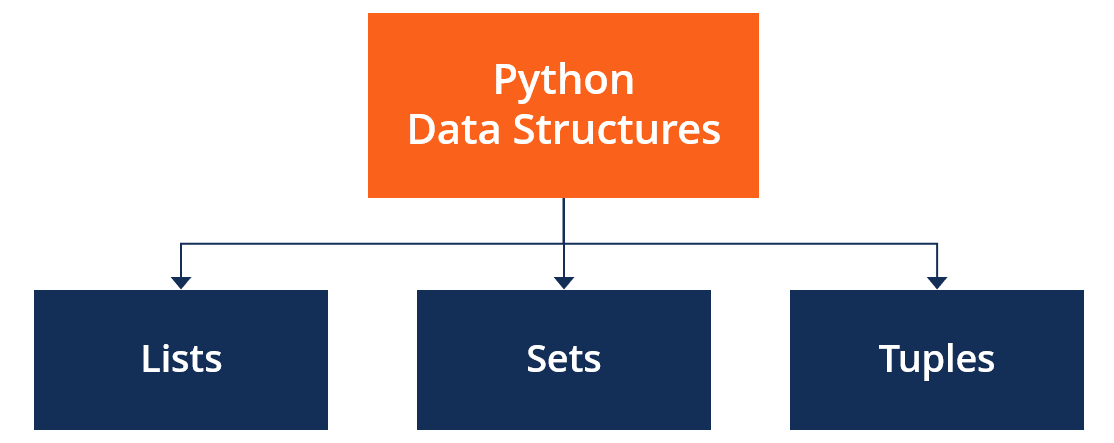
a=1
type(a)inta=1.3
type(a)floata='hell'
type(a)stra=[1,2,3]
a[1, 2, 3]type(a) listfruits = ['orange', 'apple', 'pear', 'banana', 'kiwi', 'apple', 'banana','apple']len()len(fruits)8count()fruits.count('apple')3index()show the first ‘apple’ index. python list start at 0
fruits.index('apple')1all ‘apple’ in the list
[index for index, value in enumerate(fruits) if value == 'apple'][1, 5, 7]fruits.reverse()
fruits['apple', 'banana', 'apple', 'kiwi', 'banana', 'pear', 'apple', 'orange']fruits.sort()
fruits['apple', 'apple', 'apple', 'banana', 'banana', 'kiwi', 'orange', 'pear']fruits.append('grape')
fruits['apple',
'apple',
'apple',
'banana',
'banana',
'kiwi',
'orange',
'pear',
'grape']fruits.pop()
fruits['apple', 'apple', 'apple', 'banana', 'banana', 'kiwi', 'orange', 'pear']using loop:
squares = []
for x in range(10):
  squares.append(x**2)

squares
[0, 1, 4, 9, 16, 25, 36, 49, 64, 81]using List Comprehensions
squares = [x**2 for x in range(10)]
squares
[0, 1, 4, 9, 16, 25, 36, 49, 64, 81]fruits = ('orange', 'apple', 'pear', 'banana', 'kiwi', 'apple', 'banana','apple')
fruits('orange', 'apple', 'pear', 'banana', 'kiwi', 'apple', 'banana', 'apple')type(fruits)tupletuple can not be modified.
A set is an unordered collection with no duplicate elements.
basket = {'apple', 'orange', 'apple', 'pear', 'orange', 'banana'}

basket
{'apple', 'banana', 'orange', 'pear'}type(basket)settel = {'jack': 4098, 'sape': 4139}
tel{'jack': 4098, 'sape': 4139}type(tel)dicttel['jack']4098NumPy is the fundamental package for scientific computing in Python. It is a Python library that provides a multidimensional array object
Python doesn’t have a built-in type for matrices. However, we can treat a list of a list as a matrix
A = [[1, 4, 5, 12],
    [-5, 8, 9, 0],
    [-6, 7, 11, 19]]

A
[[1, 4, 5, 12], [-5, 8, 9, 0], [-6, 7, 11, 19]]numpy Array
import numpy as np

A = np.array([[1, 2, 3], [3, 4, 5]])
print(A)
[[1 2 3]
[3 4 5]]type(A)numpy.ndarrayfirst row
A[0]array([1, 2, 3])first column
A[:,0]array([1, 3])first row and first column element
A[0,0]1A.dtypedtype('int64')2 row and 3 column
A.shape(2, 3)a=np.arange(9).reshape(3, 3)
aarray([[0, 1, 2],
[3, 4, 5],
[6, 7, 8]])https://docs.python.org/3/tutorial/datastructures.html#
https://numpy.org/doc/stable/user/basics.rec.html